
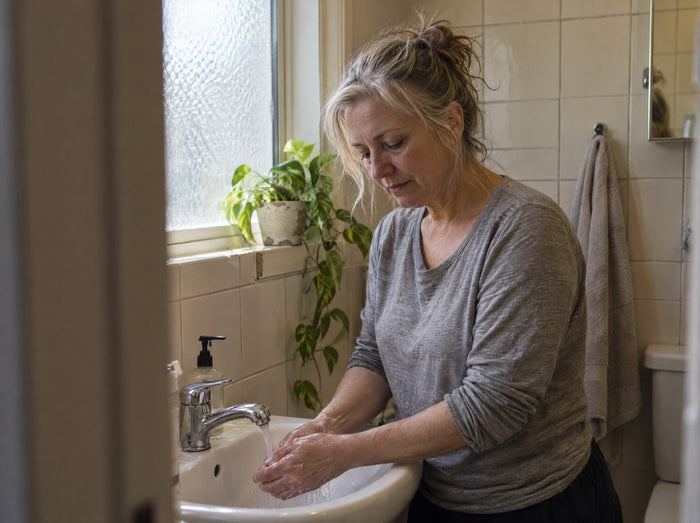
You check the paper before you stand up. Every time.
A dropped cushion rubs where it shouldn't. Anchored, it never touches.
Cart (0)
Your cart is empty
For Recurring Hemorrhoids
Works On The Anchors
150 Days. Then Stop.
Bleeding · Itching · Swelling
3 Capsules A Day
No Subscription. Ever.


What our customers are saying:


Daily Hemorrhoid Support · SV-02™
The first pine-bark powered capsule that rebuilds the tissue holding your cushions up. So you finish the bottle at day 150, stop for good, and forget hemorrhoids ever ran your life.†
Order today for delivery by
One-time purchase No subscription, ever
French maritime pine bark — 100 mg, 95% OPC. The anchor compound. Its procyanidins block the MMP enzymes chewing through the support tissue.
Serra et al. 2016 — 187 subjects, MMP rising with each grade.
Diosmin + hesperidin — 1,000 mg, 90:10. The bleeding compound.
Cochrane, Perera 2012 — 20 trials, 2,344 patients. Bleeding OR 0.12 · itching OR 0.23 · discharge OR 0.12.
Horse chestnut — 500 mg at 20% aescin. 100 mg of aescin a day, the exact trial dose.
Cochrane 2012, Pittler & Ernst.
Butcher's broom 150 mg + vitamin C 250 mg. The trio European vein clinics rate highest for heaviness and pressure.
European Venous Forum 2018 — grade 1A.
Zinc 15 mg + copper 2 mg. Tissue can't rebuild without them.
Every dose printed on the bottle. No proprietary blend.
Three small cushions sit inside your rectum — everyone has them. Each is held against the muscle wall by a band of anchor tissue.
After 40, that band starts to give. The cushion slides down, rubs, swells and bleeds. Doctors call it prolapse. You call it hemorrhoids.
Creams work on the part that fell. Banding removes it. Neither touches the band — which is why it always came back.
The band gives way because enzymes chew through it faster than it rebuilds. The pine bark in this capsule blocks those enzymes. That's the whole idea.
Three capsules with your biggest meal. Every day. 90 per bottle, so one bottle is exactly 30 days.
Days 1–14: the vessels calm first — most see clean paper here.
Weeks 3–6: the itching stops arriving.
Months 2–4: the band takes hold, the lump stops needing a push.
Day 150: you stop.
Why not 30 days? Connective tissue rebuilds slowly. Under 150 the rebuild is incomplete, and we won't promise what we can't.
96 pages, $47 retail value, free from 3 bottles. Emailed with your order — yours to keep, refund or not.
The 60-second morning rule · why your fiber may be making it worse · the one position that stops the push · what to do on a flare day · the 14-day paper check · day 150, how to stop.
Finish the 150 days and if your hemorrhoids come back inside the year, we refund every dollar. Email your order number. Full amount back in 5 to 7 business days. No questions, nothing to send back.
The 1- and 3-bottle tiers don't carry it. They don't finish the protocol. Below 150 days the rebuild is incomplete, and promising it holds anyway would be a lie.
Ships from the US in 5–8 business days, in a plain box with no product name on the outside.
Free US shipping from 3 bottles. One-time purchase — no subscription, ever. Refunds by email, no questions, no return shipment.
212 clinicians, including gastroenterologists and colorectal specialists, recommend standardized pine bark procyanidins for connective tissue support.


Creams calm the flare for a few hours. The pine bark in this capsule works on what let the cushion drop — so it goes away, and stays away.
Try Risk-Free TodayA dropped cushion rubs where it shouldn't. Anchored, it never touches.
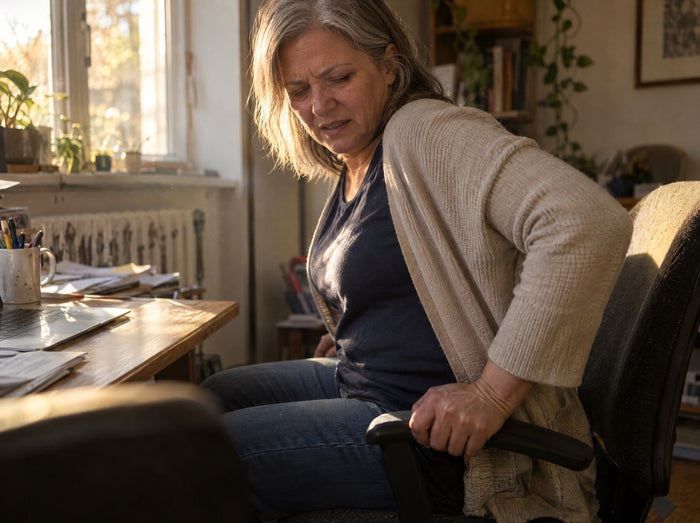
Dropped tissue weeps. The itch and the burning are the moisture, not the skin.
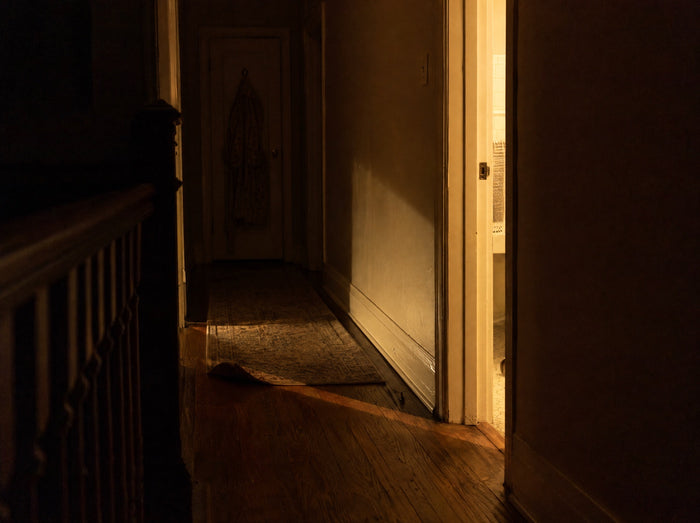
If you can push it back, it's fallen — not swollen. Swelling doesn't move.
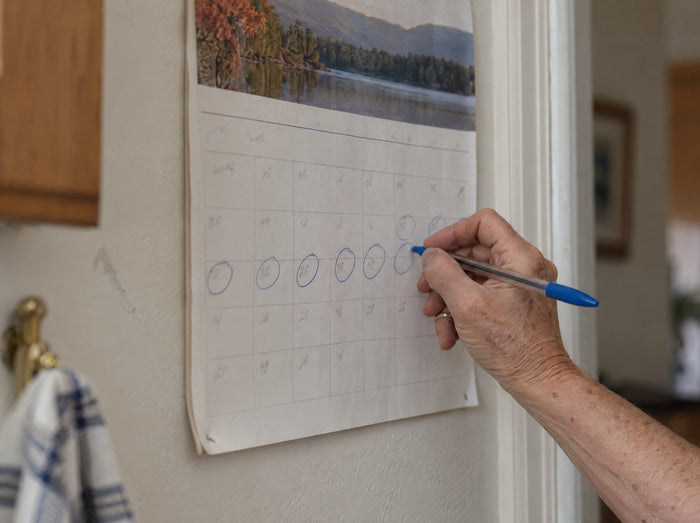
Each drop stretches what holds it a little more. The gaps shrink.

A dropped cushion reads as leftover stool. It isn't.
These aren't five separate habits you've picked up. They're five symptoms of the same thing giving way — and it isn't what your doctor told you.

Thomson 1975 · Serra et al. 2016 · Han et al. 2005
Three small cushions sit inside your rectum. They seal you, they tell you what's coming, and they stay put. A band of anchor tissue holds each one against the muscle wall.
When the band holds
But after 40, that band starts to give
Doctors call it prolapse. We call it anchor collapse: the band holding your cushion up gets chewed through faster than it rebuilds. Creams work on the drop. Banding removes the drop. Nothing you've used has ever touched the band — which is why it kept coming back.
Holding — but stretching under strain
Blood on the paper. Nothing else.
Give way, then pull back
It comes out, then goes back on its own
No longer pull back
You push it back in
Gone
It stays out


Each flare stretches it a little further. You don't heal out of a grade. You cross into the next one.
That's why the cream that worked in year one does nothing in year three.
That's why fiber alone was never going to be enough.
That's why banding bought you two years, not ten.
That's why every time it comes back, it comes back a little lower.
The only question is which grade you're in when you start working on what holds it.
The obvious next move: grab a diosmin pill off the shelf for fifteen dollars. Most people do. Here's where it stops.
✕Never reaches the band
You take a diosmin vein pill
Any brand, 500 to 1,000 mg.
It reaches the vessels inside the cushion
Blood flow improves. Bleeding calms down.
The swelling goes down
You feel better. Usually inside two weeks.
The band holding it up is left untouched
Diosmin acts on vessels, not on the band holding the cushion up.
The cushion is still down
Stop the pill, the flares come back. That's the month you noticed.
✓Works the vessels AND the band
You take three capsules with dinner
Diosmin 1,000 mg, pine bark 100 mg at 95% OPC, horse chestnut 500 mg.
Diosmin calms the vessels first
Same relief, same two weeks. We kept that part.
Pine bark procyanidins reach that band
They block the enzymes cutting it faster than you can rebuild it.
It stops losing ground, then holds
Every day, for 150 days. That's how long the tissue takes.
The cushion lifts back where it belongs
You finish the last bottle at day 150. Then you stop.

Diosmin calms what swelled. It never touches what let it drop. That part is the pine bark’s job.
None of them were wrong. They were working on the wrong layer.
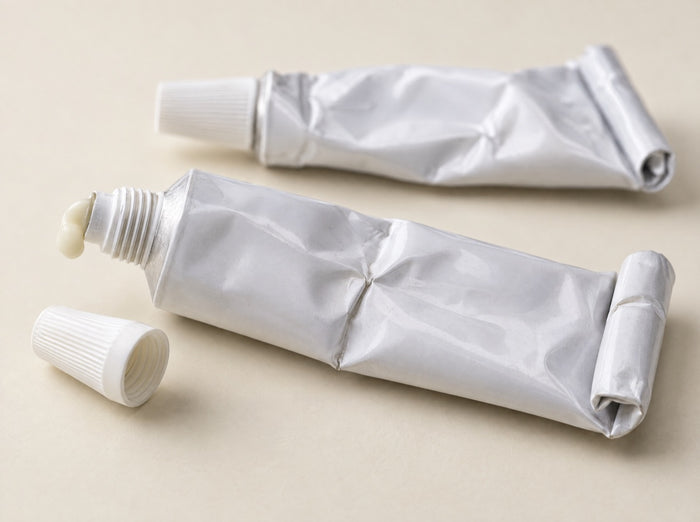
Numbs the surface.
Why it failed — it sits two inches above the tissue that let go. Buys you a quiet day.
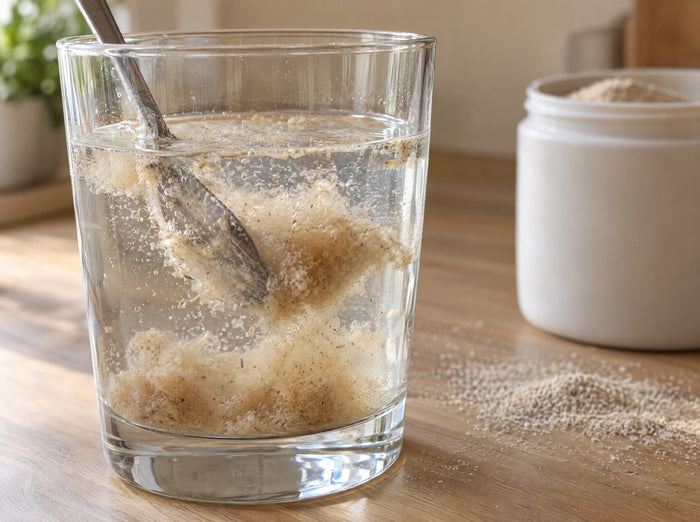
Softens the stool.
Why it failed — less strain, same fallen cushion. And once it's down, bulk rubs harder.
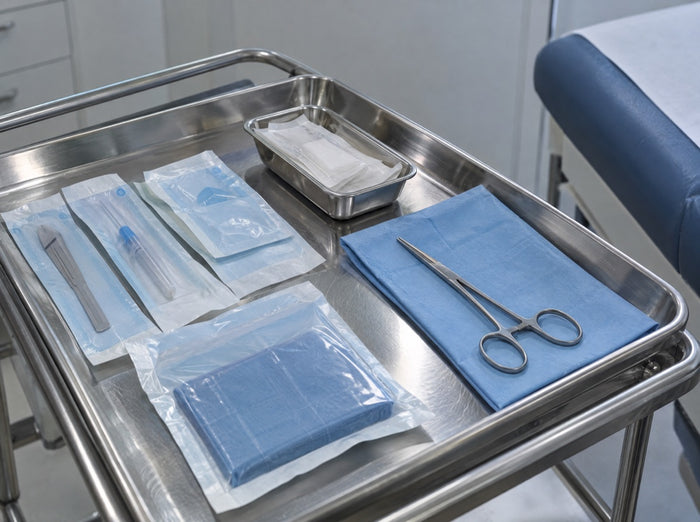
Cuts off the dropped part.
Why it failed — it removes the drop, not the reason it dropped. 15 to 47 out of 100 see it back within two years.†
Three approaches, one blind spot. None of them ever reached the band that let the cushion drop. Nothing in the hemorrhoid aisle was built to. The compound that does — French maritime pine bark, standardized to 95% OPC — is in the formula below, at the dose the research used. That's the missing piece.
Now that you know why the rest fell short, here's the pine bark that goes after anchor collapse. And what each of the others does around it. Five jobs, one band.
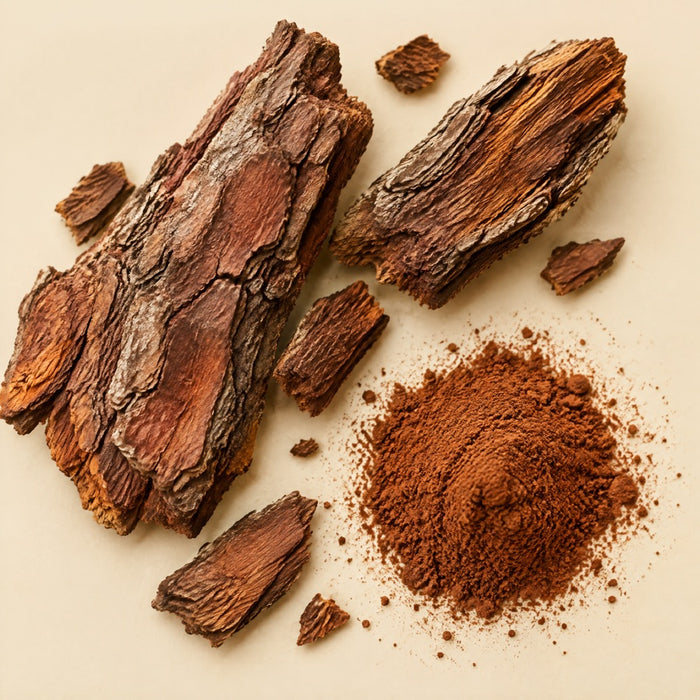
✓The Anchor Compound
Blocks the enzymes chewing through the anchor tissue faster than your body can rebuild it. The part no cream or vein pill has ever reached. The reason this capsule exists.†
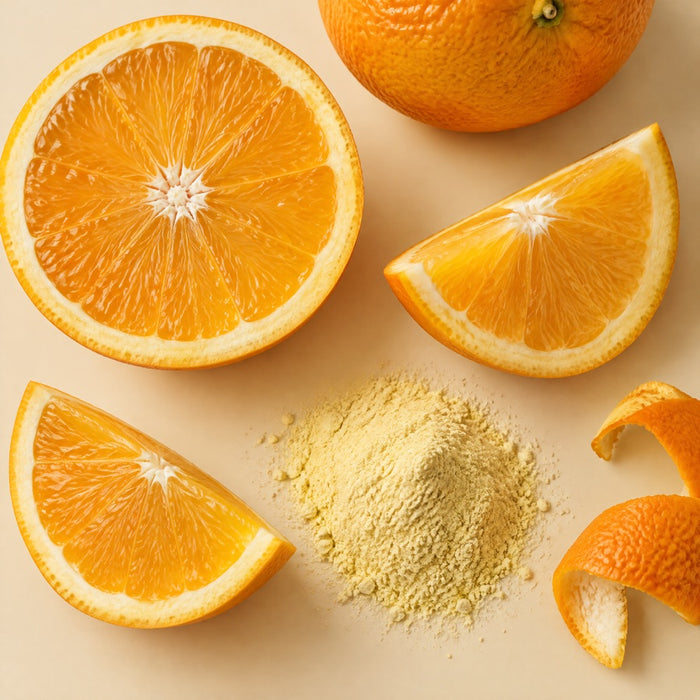
✓Stop The Bleeding
Twenty trials, 2,344 patients. Calms the vessels so the paper comes back clean — usually inside two weeks.†
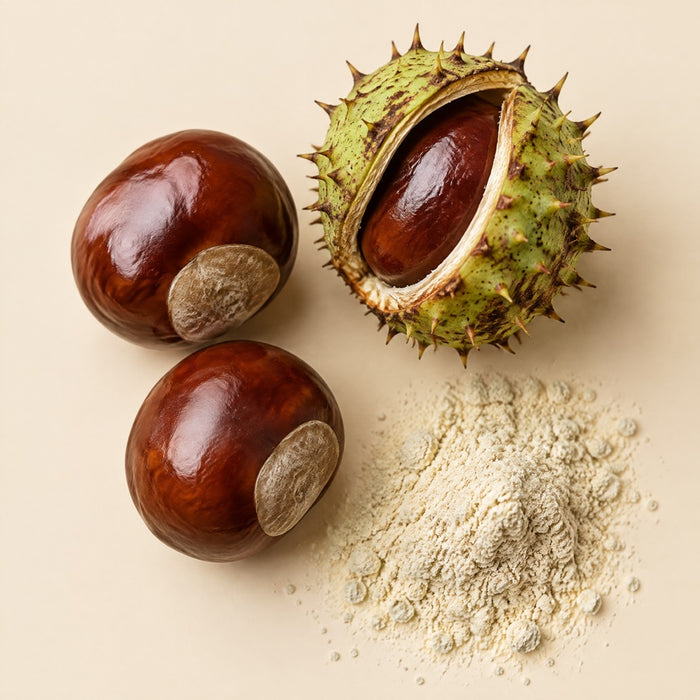
✓Take Down The Swelling
100 mg of aescin a day, the exact trial dose. Tightens the vessel walls so the cushion stops filling under strain.
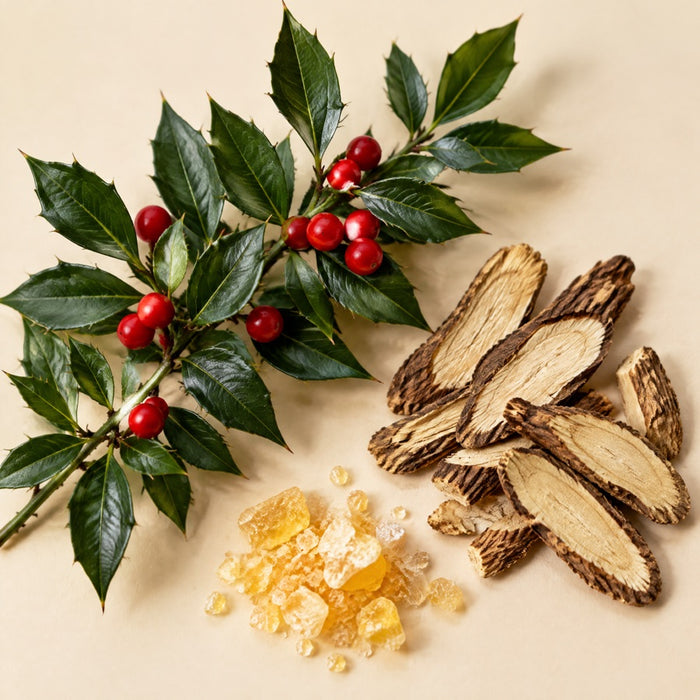
✓Lift The Heaviness
With hesperidin, the trio European vein clinics rate highest for heaviness and pressure.
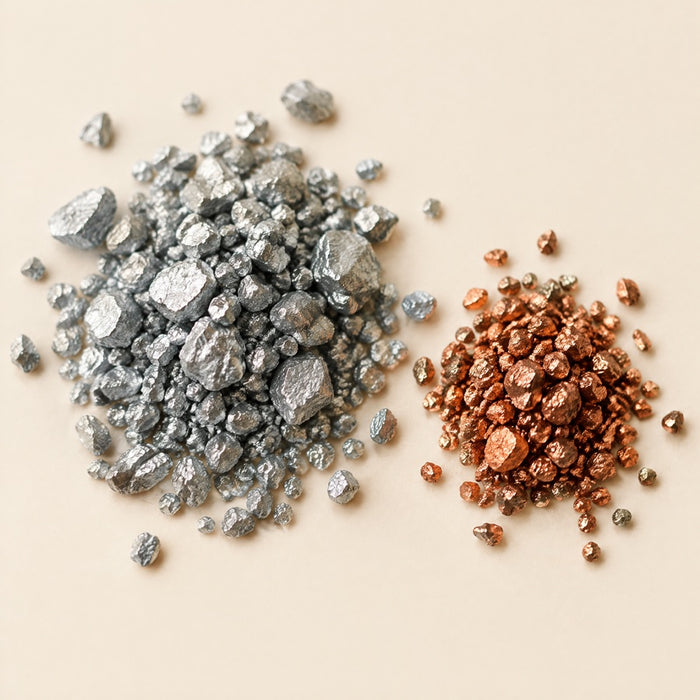
✓Feed The Rebuild
Tissue can't rebuild without them. Cheap, essential, almost always missing.
Fair question — if the pine bark is the whole point, why not a $12 bottle of it? Here's why that one doesn't move.
✕The part that matters is gone
You buy a $12 pine bark bottle
Any brand. The label says pine bark extract.
It was extracted the cheap way
Fast, hot, cheap. Most of the procyanidins don't survive it.
What's left never reaches the band
You're swallowing the name, not the compound.
The vessels keep flaring underneath
No diosmin — so the daily flare keeps stretching the band you're trying to rebuild.
The band is still giving way
A month in, nothing has moved. You file pine bark under "tried that".
✓95% OPC, with the vessels calmed first
100 mg, standardized to 95% OPC
The procyanidins are measured, not assumed.
Diosmin calms the vessels first
The flare stops stretching the band while it rebuilds.
The procyanidins reach the band
Blocking the enzymes chewing through it, every day.
150 days later, it holds
That's the whole protocol. Then you stop.
The band stops losing ground
Day 150, and it holds.

Pine bark isn't rare. Pine bark that still carries its procyanidins, at 100 mg, next to the compounds that calm the vessels while it works — that is. That's the capsule.
“Clean paper by day nine.”
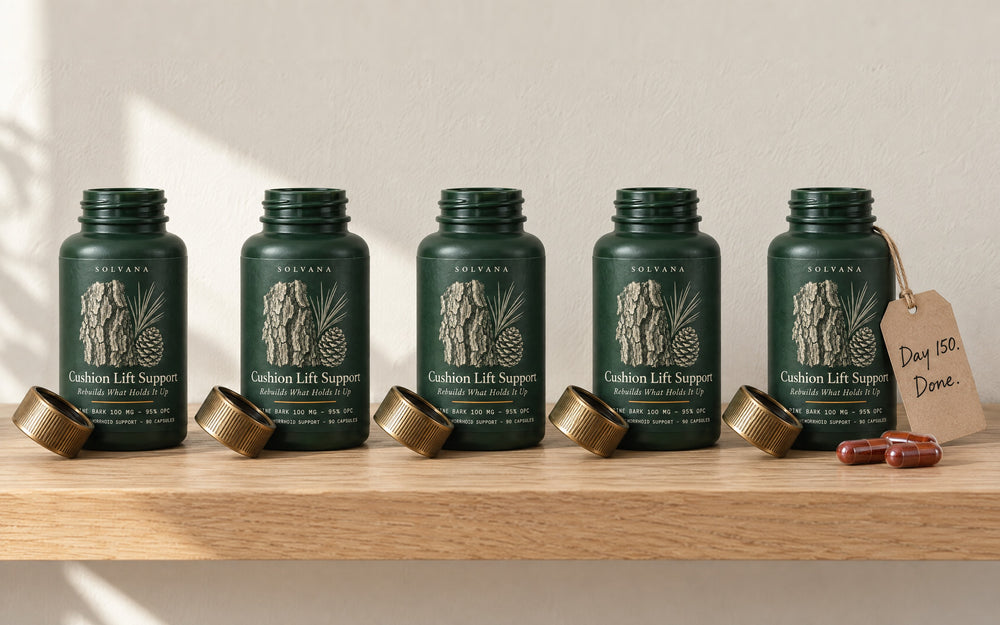
Cushion Lift Support rebuilds something, so it works in an order. Here's the order.
Start My 150 Days →
Creams, wipes, bands all work on the part that fell. This is built for the tissue that let it fall — that's the pine bark's job, and nothing else on the shelf carries it.
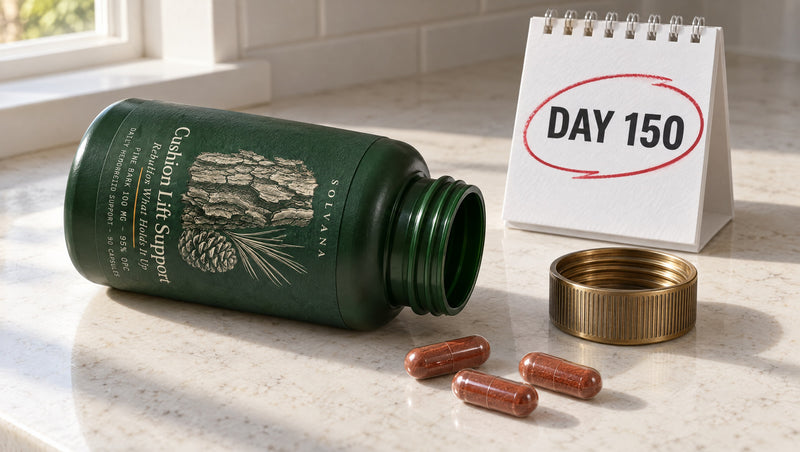
150 days. Then you stop. Every other bottle in this aisle wants you on it forever.

The bleeding compound alone sits on 20 published trials. We put it next to the one ingredient no hemorrhoid pill has: maritime pine bark at 95% OPC.
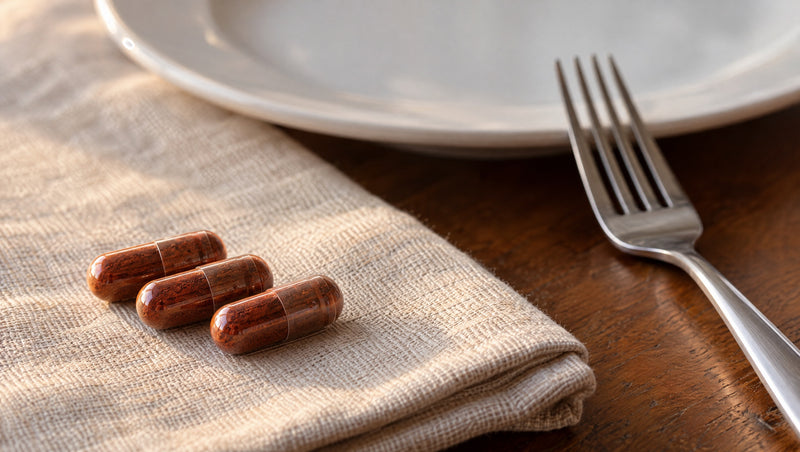
Some brands need six to twelve a day to reach a dose. Three with dinner. Done.
A full year on the complete protocol — because that's how long it takes to know it didn't come back.
 Cushion Lift Support
 Creams & Wipes
 Vein Pills
 Rubber Band Ligation
September 2026
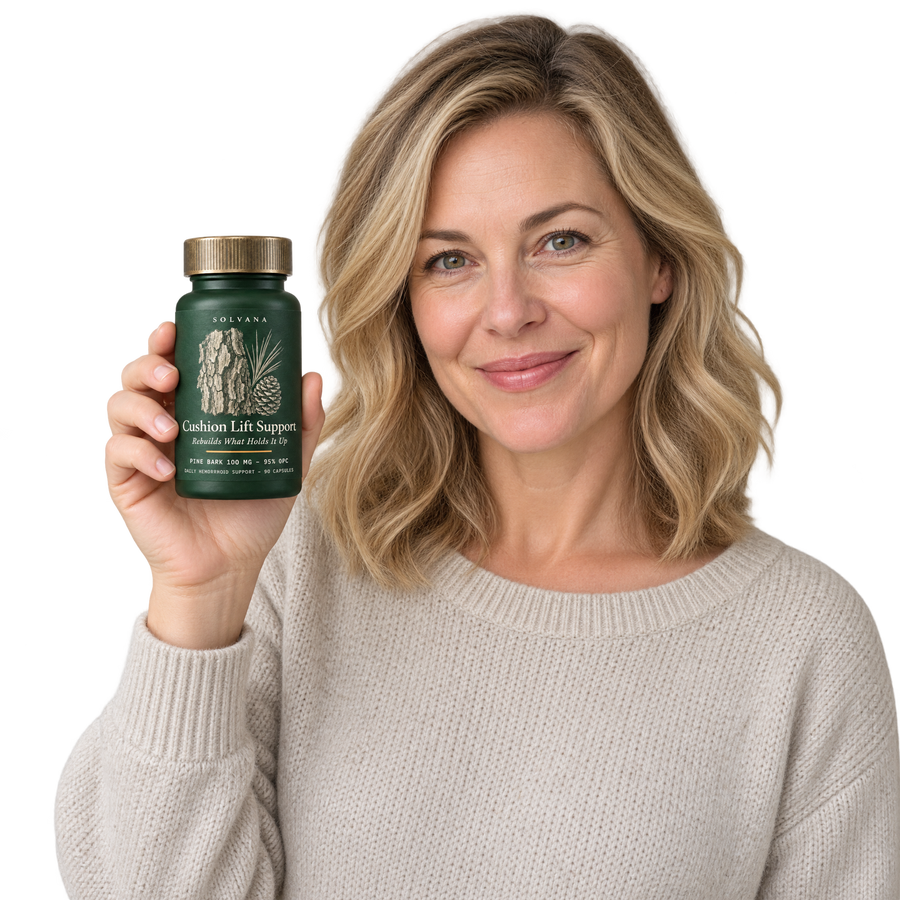
"Your rectal cushions are held in place by a band of connective tissue most patients have never heard of. It's collagen fibre, anchoring each cushion to the muscle wall. After 40, enzyme activity breaks that band down faster than the body rebuilds it — and that's when hemorrhoids start appearing in people who never had them before. The medical word for what follows is prolapse."
"What makes Cushion Lift Support different from every vein supplement I've reviewed is where it acts. The maritime pine bark procyanidins target the enzymes degrading that band — the actual root cause. Combined with diosmin calming the vessels while the tissue works, the formula gives that band enough time and support to actually rebuild, not just be managed."
365-Day Guarantee on the full protocol

Dr. Helen Brandt, MD — Gastroenterologist
Full protocol only
Email your order number. Full amount back in 5 to 7 business days, nothing to send back, no questions. The 1- and 3-bottle tiers don't carry it. Below 150 days the rebuild isn't finished, and we won't promise a year on an unfinished protocol.
In their words. Answered straight.
The cream never had a chance. It sits on the surface, two inches above the tissue that let go. It buys you a quiet day, then you're back at the tube. A capsule goes in with dinner and reaches the band from the inside — the only side that tissue has. That's why the cream became a habit and this has a finish line.
Diosmin is in here, at 1,000 mg, because nothing beats it on the bleeding. But diosmin on its own is the pill people take for a month, then watch it come back. It calms the vessels. It never touches the band that let the cushion drop. The pine bark does that part. That's the whole difference — and the reason no diosmin pill has ever had a day you stop.
Banding removes the part that fell. It doesn't touch the reason it fell — which is why 15 to 47 out of 100 see it back within two years. The full protocol costs less than one procedure and takes no day off work. If it hasn't held after 150 days, you have a full year to get every dollar back. Your doctor's option is still there on day 151.
That's the symptom nobody warns you about. It's also the clearest sign the cushion has dropped: fallen tissue weeps, anchored tissue doesn't. No wipe fixes it — you're not unclean, the tissue is leaking. It stops when the cushion goes back up and stays there — months 2 to 4 of the protocol. The 4 p.m. check is usually the first thing to go.
Because they were right about what they had. Creams, fiber, sitz baths calm the drop for a day — none of them lift it back, so "live with it" was the honest answer. What they didn't have is the compound that blocks the enzymes chewing through the band — maritime pine bark at 95% OPC (Serra et al. 2016, 187 subjects). It isn't in any cream, wipe or vein pill on the shelf. It's in this bottle, at the dose the research used.
Every dose is printed on the bottle, no "proprietary blend". Hand the label to your pharmacist and you'll get a straight answer in thirty seconds. Diosmin has been prescribed in Europe for fifty years, mostly to people over 50, the age where everyone is on something. If you take a prescription blood thinner, ask first. Otherwise: three capsules with dinner, done.
No — you're exactly who it was built for. Banding took away the part that had fallen. It left the band that let it fall as weak as the day you walked in. That's why it's back. Nothing about the procedure stops the pine bark from reaching that tissue now. Start at whatever grade you're in today; the protocol is the same 150 days.
Yes. External and internal cushions hang from the same band and drop for the same reason. The difference is where you feel it first — outside, the lump and the itch; inside, the paper. The capsule reaches both from the inside, which is where the band is.
If a past flare left a skin tag behind, that's skin that stretched and stayed — no capsule removes it. What this works on is the band underneath, so the next one doesn't form.


Your bonus
Not an ebook. The daily plan — day one, flare days, and how to tell it's holding. Written to be used.
 $47 retail value · 96 pages
Emailed with your order confirmation. Yours to keep, refund or not.

The full protocol is under a dollar a day, ships free, and is the only tier that unlocks the 365-day guarantee.
Order today for delivery by
One-time purchase No subscription, ever


They Stopped Checking. You Will Too.